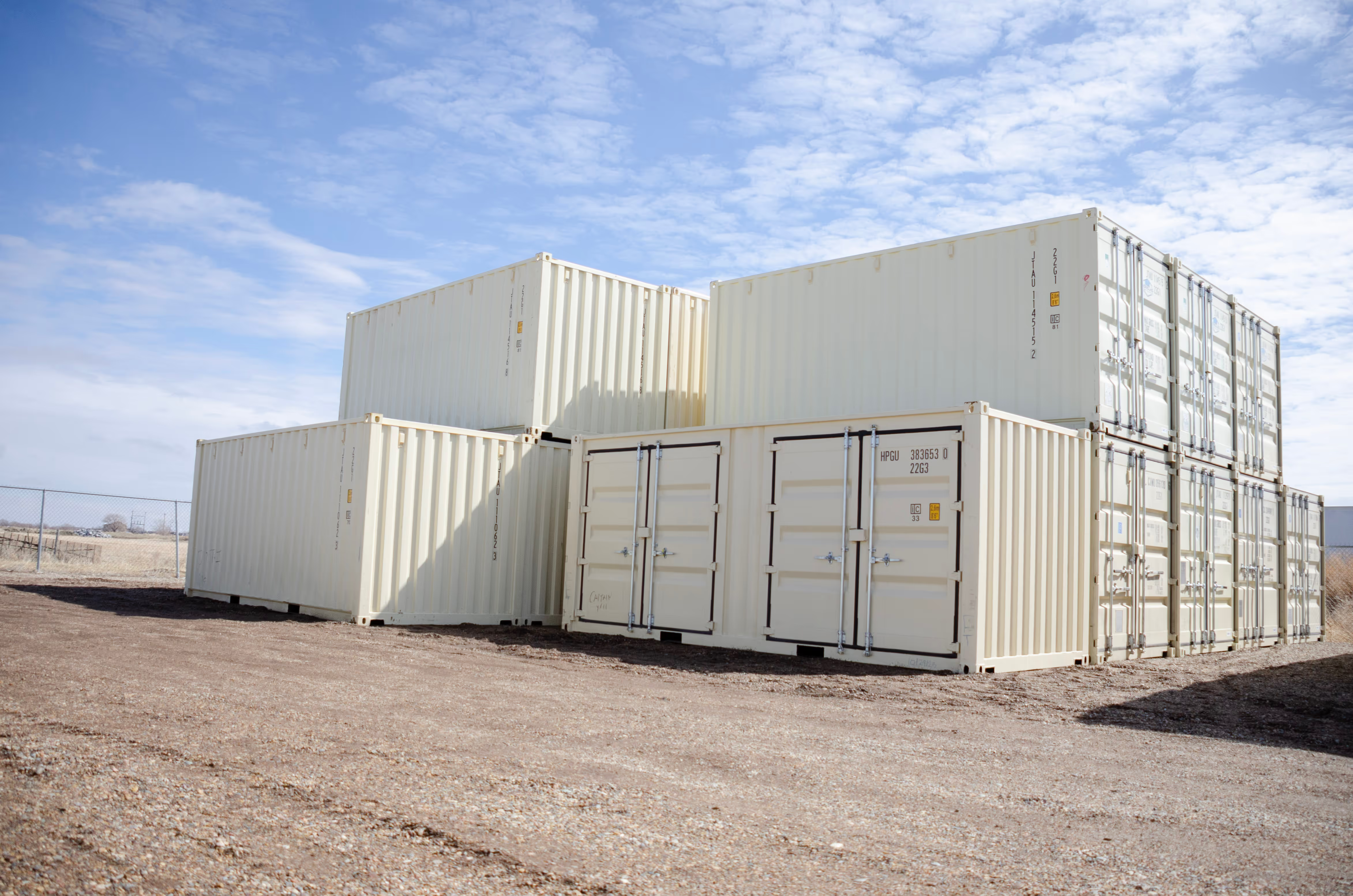
We provide seacan delivery and moving services across Southern Alberta and Saskatchewan. Pricing may vary depending on delivery location, container type, vailability, site access requirements.
20’ STANDARD SEACAN
A reliable all-purpose seacan ideal for acreage storage, job sites, residential moving, and general equipment storage.
Starting at $3,900 + GST
Use Cases:
Acreage storage
Construction sites
Single-room renovations
Residential moving
Farm storage
3-Year Warranty
20’ OPEN SIDE SEACAN
Full side access allows for easier loading of equipment, materials, pallets, and oversized items.
Starting at $6,300 + GST
Use Cases:
Equipment storage
Pallet access
Long materials
Workshop setups
Easier loading access
3-Year Warranty
40’ HIGH CUBE SEACAN
Extra interior height provides additional storage volume for larger equipment, furniture, and commercial storage.
Starting at $5,900 + GST
Use Cases:
Bulk storage
Furniture storage
Commercial inventory
Workshop conversions
Larger equipment
3-Year Warranty
40’ HIGH CUBE DOUBLE DOOR SEACAN
Doors on both ends (Not sides) provide easier access for loading, unloading, and inventory management.
Starting at $6,200 + GST
Use Cases:
Job sites
Forklift loading
Inventory access
Commercial applications
Easier equipment access
3-Year Warranty
40’ HIGH CUBE OPEN SIDE SEACAN
Maximum accessibility with full side-opening doors for equipment, materials, and industrial applications.
Starting at $9,000
Use Cases:
Industrial storage
Large material loading
Wide equipment
Workshop access
3-Year Warranty
USED SEACANS
Used seacans are available depending on inventory and condition.
Pricing Available Upon Request
Use Cases:
Budget-friendly storage
Yard storage
Long-term acreage storage
Farm use
Workshop projects
Shipping containers are designed to carry heavy loads through extreme conditions, but proper placement is still important for long-term performance. A well-prepared setup helps prevent settling, moisture buildup, door alignment issues, and unnecessary wear over time.
For residential properties, acreages, and job sites, containers should never be placed directly on bare soil or grass. Keeping the container elevated allows for proper drainage and airflow underneath the unit while helping reduce rust and floor deterioration.
The foundation is one of the most important parts of a successful container setup. Because containers carry most of their weight on the four corners, an uneven base can cause the frame to twist, making doors difficult to open and close.
Common foundation options include compacted gravel pads, railroad ties, pressure-treated 6x6s, or concrete footings for more permanent installations. Gravel is one of the most popular choices because it improves drainage while creating a stable surface for the container to rest on.
For larger 40’ containers, additional center support may also be recommended to help prevent long-term bowing.
Condensation can develop inside containers during seasonal temperature swings, especially when storing furniture, cardboard, fabric, or electronics. Proper airflow underneath and around the container helps reduce trapped moisture and improve ventilation.
For long-term storage, many customers choose to add additional vents, moisture absorbers, or small solar ventilation systems to help control condensation buildup inside the container.
Before delivery, it’s important to plan both the location and door orientation of the container. Tilt-deck delivery trucks require adequate straight-line access to safely place containers on site.
Most 20’ containers require approximately 60 feet of delivery space, while 40’ containers typically require over 100 feet for safe placement. Ground conditions should also be firm enough to support heavy trucks during delivery.
Once a container is unloaded, moving it again usually requires heavy equipment, so proper placement ahead of time is important.
Shipping containers already provide strong physical security, but upgraded locking systems can provide additional protection for tools, equipment, and valuable materials. Lock boxes and shrouded locks are commonly recommended because they better protect padlocks from bolt cutters and tampering.
For customers using containers as workshops or modified workspaces, proper ventilation and safe interior access should also be considered during setup.
Containers are often used on residential properties and acreages where appearance matters. Many customers choose to repaint containers in neutral or earth-tone colours to better blend with surrounding buildings and landscapes while also helping protect against surface rust over time.
Simple skirting around the base can also improve appearance while helping prevent animals and debris from collecting underneath the container.